
Bird dog exercise for your back: how to do it
The bird dog is a slow balance drill on hands and knees. You reach one arm forward and the opposite leg back while your back stays flat and your hips stay level. It trains the muscles around your trunk to hold your spine steady while your arms and legs move, without bending or twisting the back.
It is a common choice in back care programs because it is low impact and easy to scale. It is not a cure for back pain on its own. Guidelines for low back pain recommend staying active and doing regular exercise in general, and the bird dog is one simple way to add some gentle trunk work to your day.
How to do it
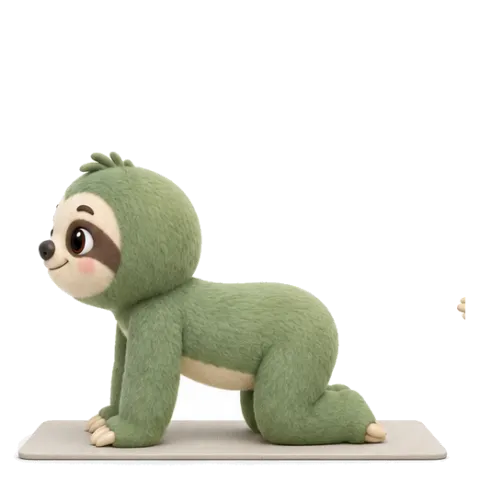
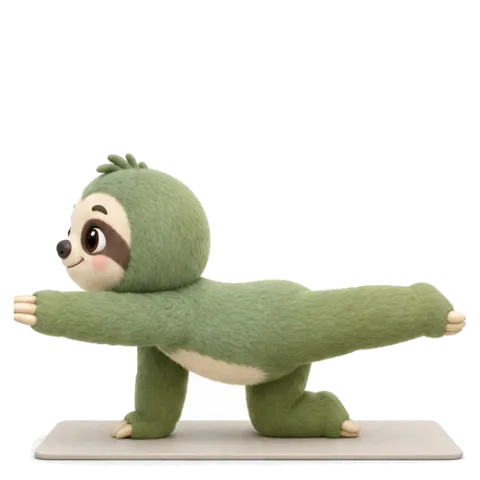
- Start on hands and knees with a flat back.
- Reach your right arm forward and your left leg back, keeping your hips level.
- Hold for 2 seconds, return, then switch sides.
Dose: 6 slow repetitions, alternating sides.
Tip: Imagine balancing a glass of water on your lower back.
Common mistakes
- Lifting the leg so high that the lower back arches or sags. Your leg only needs to reach about hip height, or lower.
- Letting the hips tip or rotate toward the lifted leg. Keep both hips facing the floor.
- Rushing. A short pause at the end of each reach is where the work happens.
- Dropping the head or looking up. Keep your neck in line with your back and look at the floor.
- Holding your breath. Breathe normally throughout.
Easier and harder options
- Easier: move only one limb at a time, first an arm, then a leg, until you can keep your back still.
- Lying option: the dead bug works the same idea on your back. Lie with your arms toward the ceiling and hips and knees bent to 90 degrees, then slowly lower one arm overhead and the opposite leg toward the floor while your lower back stays flat. If your back arches, lower less.
- Harder: hold the reach for about 8 seconds per side and breathe. If your hips tip, lower the leg a little. Quality beats height.
These three versions match the Bird Dog, Dead Bug and Bird Dog Hold exercises in the Mo app.
When to stop and see a professional
Stop and speak to a doctor or physiotherapist if you notice:
- numbness, tingling or weakness in an arm, hand, leg or foot
- pain that spreads (radiates) down an arm or leg
- pain that started after an accident, fall or other injury
- loss of bladder or bowel control, or numbness between your legs (seek emergency care)
- pain that keeps getting worse, wakes you at night, or comes with fever or unexplained weight loss
If kneeling hurts your knees, put a folded towel under them, or try the dead bug instead.
Do this with Mo, a 5-minute guided routine app
Mo the sloth guides short daily posture, neck and back exercises, with gentle reminders and a pain check-in. Learn more about Mo.
Related guides
- Lower back pain from sitting: 3 gentle floor moves
- Cat-cow stretch for lower back stiffness
- Hip flexor stretch for people who sit all day
- Open book stretch for upper back stiffness
- Glute bridge for lower back
- Mo: Posture & Back Pain Relief app