
Home / Exercises / Between the shoulder blades
Upper back pain between the shoulder blades: 3 gentle moves
Hours of sitting with rounded shoulders can leave the area between the shoulder blades feeling stiff and achy. These three short moves open the upper back and wake up the muscles that hold your shoulder blades. Start with the chair opener at your desk, then add the other two when you have a few minutes.
Chair back opener


- Sit on a sturdy chair with your upper back against the top of the backrest.
- Clasp your hands behind your head to support your neck.
- Gently lean back over the backrest, then come up.
Dose: 6 slow reps.
Tip: Lean only as far as feels good. Keep your ribs from flaring.
Shoulder blade squeeze
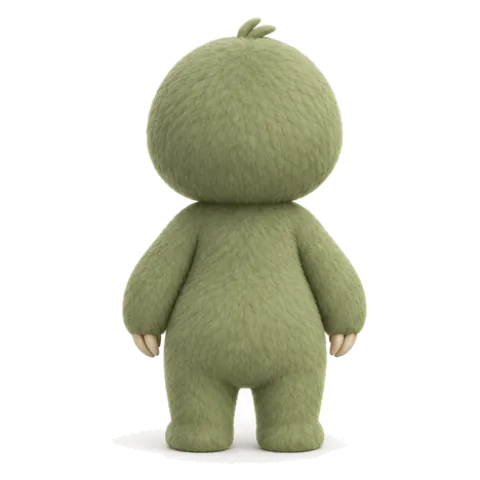
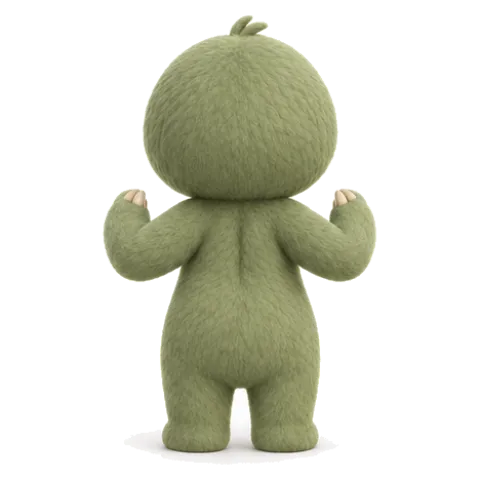
- Sit or stand tall with your arms relaxed and palms facing forward.
- Draw your shoulder blades back and down, as if tucking them into your back pockets.
- Hold for 5 seconds, then release. Repeat 8 times without shrugging.
Dose: 8 repetitions, hold each for 5 seconds.
Tip: Think of a gentle squeeze, not a hard pinch.
Open book stretch


- Lie on your side with your knees bent and stacked, arms straight in front, palms together.
- Lift your top arm and open it like a book, following your hand with your eyes.
- Return slowly. Finish all reps, then switch sides.
Dose: 6 repetitions per side.
Tip: Keep your knees together and let the movement come from your upper back.
Common mistakes
- Arching the lower back instead of the upper back. Keep your ribs down and let the movement come from between your shoulder blades.
- Shrugging. Your shoulders should stay away from your ears in every move.
- Forcing the range. A mild stretch is enough.
- Sitting still for hours afterwards. Short breaks to stand up and move also help.
Do the three moves in order, once or twice a day, or whenever your upper back feels stiff after sitting.
When to stop and see a professional
Stop and speak to a doctor or physiotherapist if you notice:
- pain between the shoulder blades together with chest pain, shortness of breath, sweating or pain spreading to your arm or jaw (call emergency services)
- numbness, tingling or weakness in an arm or hand
- pain that started after an accident, fall or other injury
- pain that keeps getting worse, wakes you at night, or comes with fever or unexplained weight loss
Do this with Mo, a 5-minute guided routine app
Mo the sloth guides short daily posture, neck and back exercises, with gentle reminders and a pain check-in. Learn more about Mo.
Related guides
- Chair back opener for upper back stiffness
- Shoulder blade squeeze (scapular squeeze)
- Open book stretch for upper back
- Floor angel for upper back and posture
- Prone Y and T raise for upper back
- Tech neck exercises: 3 gentle moves
- Mo: Posture & Back Pain Relief app